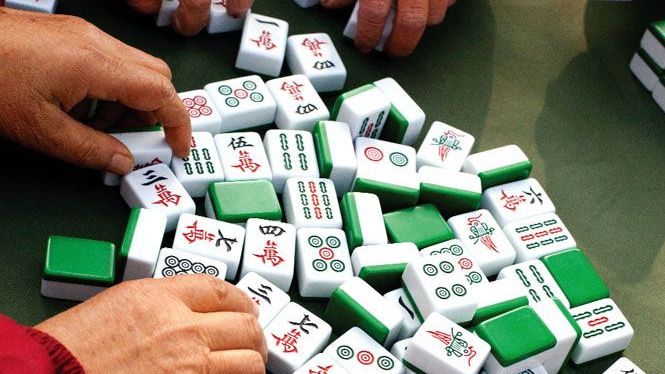

Once associated with family gatherings and traditional game nights, Mahjong is finding a new audience among younger generations. With colorful tiles, stylish accessories, and a growing social media presence, this centuries-old game has evolved into more than just entertainment. It has become a lifestyle trend.
From China to the World
Mahjong originated in China during the 19th century, evolving from earlier card and tile games. Originally played as a social activity, it gradually spread across the world, inspiring different variations in different cultures. More than 150 years later, the game is gaining attention all over again.
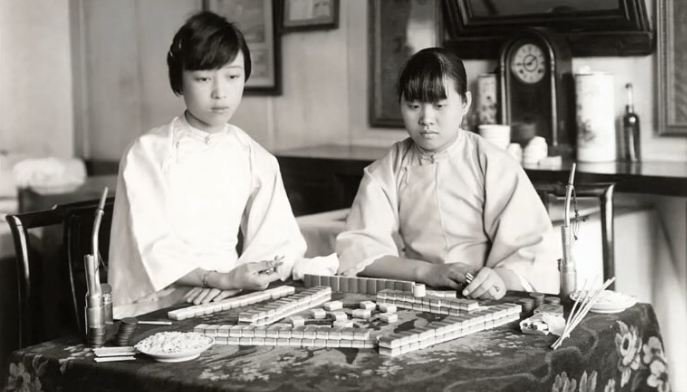
The Evolution of Mahjong Tiles
Mahjong tiles have transformed alongside the game itself. Early versions were commonly made from bone and bamboo, followed by materials such as Bakelite and plastic. Today, acrylic, resin, and handmade designs bring vibrant colors and creative patterns to the table. The tiles have become design objects in their own right.
When Mahjong Went West
In the 1920s, Mahjong experienced a major wave of popularity in the United States. Joseph P. Babcock helped introduce the game to American audiences by promoting a simplified set of rules. This helped pave the way for American Mahjong, showing how one traditional game could adapt to different cultures.
The Pop Culture Effect
The 2018 film Crazy Rich Asians brought Mahjong into the spotlight through its memorable scene between Rachel and Eleanor. Beyond the game itself, the scene highlighted Mahjong’s deeper connections to family, identity, strategy, and cultural heritage.
A Pandemic-Era Comeback
During the pandemic, people looked for activities that were social, offline, and enjoyable at home. Mahjong offered all three. At the same time, new brands began refreshing its image with contemporary colors, creative tile designs, and stylish accessories.
Welcome to Mahj-Core
Mahjong has since moved beyond traditional game tables and into the lifestyle space. Mahjong clubs, private parties, hotel events, fashionable accessories, and beautifully styled tablescapes have helped turn the game into an aesthetic experience. Social media has made this visual culture even more shareable.
Made for Social Media and ASMR
With its colorful tiles, satisfying hand movements, distinctive sounds, and social atmosphere, Mahjong naturally lends itself to Instagram and TikTok content. The rhythmic clacking and shuffling of tiles have also become popular ASMR material. Even without knowing the rules, audiences can enjoy the experience through sound and visuals alone.
Final Thought
Mahjong’s popularity proves that traditions do not have to stay in the past. By combining culture, design, community, and social media, an old game has found a fresh place in modern life.
Old game. New culture. Timeless connection.